
One, But Many: Exploring the Power of 1:1 Mentoring and Befriending in Bristol
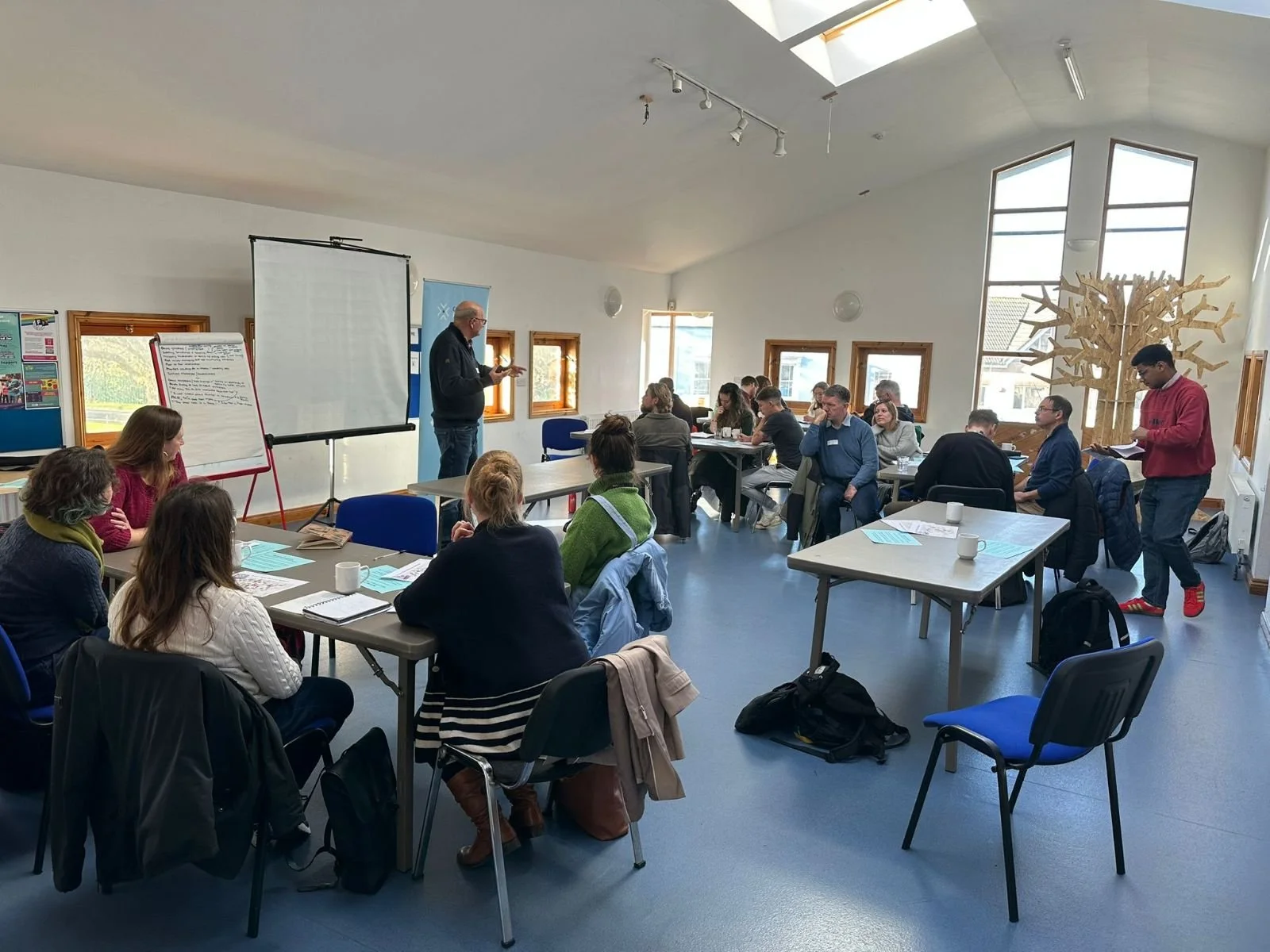
Image: Organisations from across Bristol gathered to discuss mentoring in the city at Wellspring Settlement in Barton Hill
“For many of the young people we work with, their mentor is the first healthy adult relationship they’ve had.”
This powerful quote, shared by a youth outreach worker at a local Bristol church, was one of many transformative testimonies shared during our recent mentoring convention. What it reveals is that the simple role that a coach, mentor or befriender plays - a trusted friend, a listening ear, and an encouraging word - for so many can be greatly redemptive and liberating.
Back in the summer, when we explored Bristol’s mentoring sector (find out more here) we found that whilst there’s a range of organisations in Bristol offering 1 to 1 mentoring, befriending or coaching to vulnerable individuals, they don’t tend to see themselves as a sector. It was spotting this gap in the market that prompted us to host our recent Mentoring Convention.
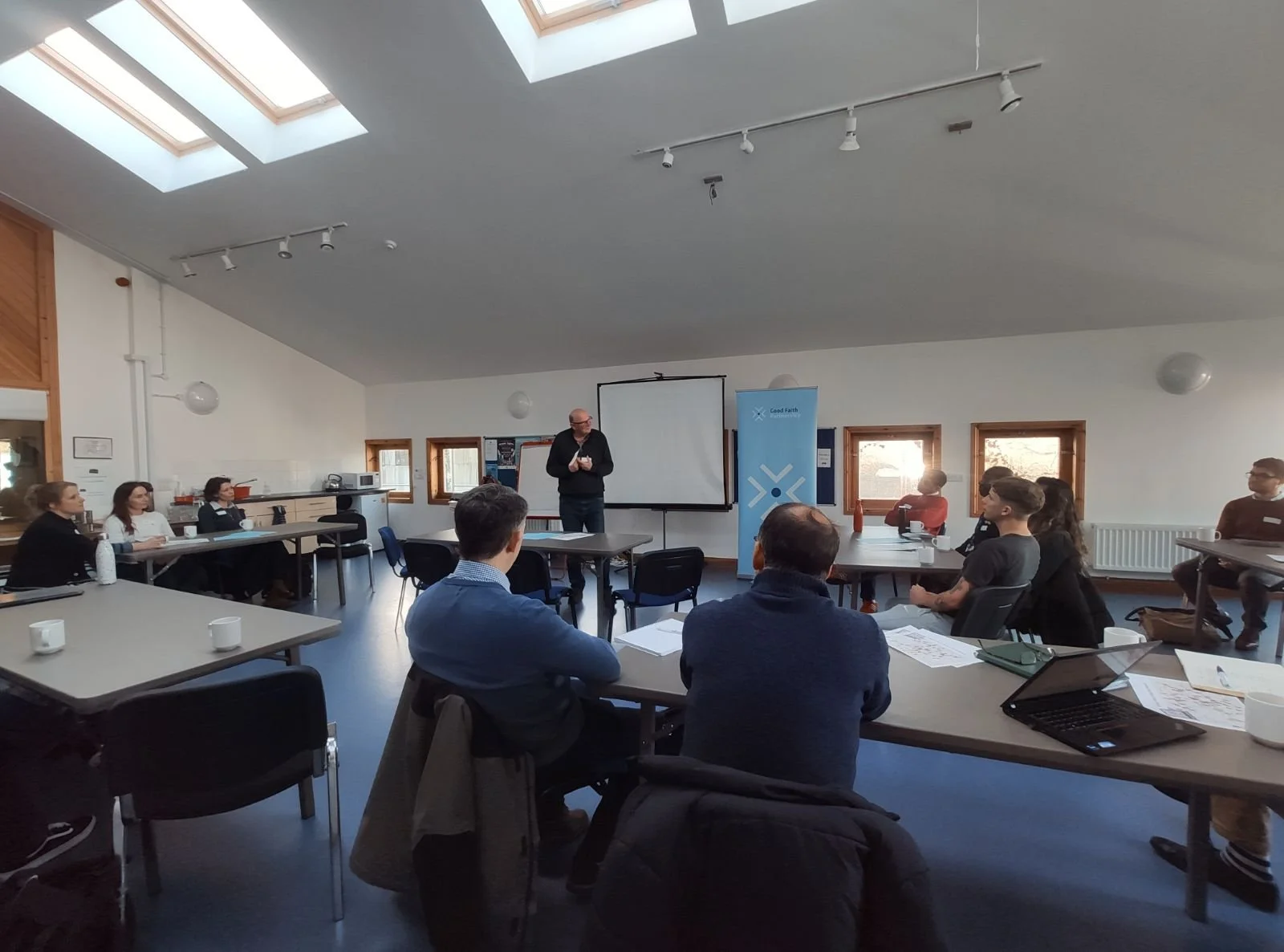
On 28 November we gathered 25 representatives from 15 organisations providing the above in Bristol (or very interested in it) at the Wellspring Settlement in Barton Hill. We were really struck by everyone’s eagerness to learn from each other in the room. Some of the organisations present are currently exploring how befriending could be incorporated into their other existing work, including foodbanks or encouraging wider access to the creative arts. I was amazed at how many different people were served in the room, by the organisations present. Young people, unemployed adults, ex-offenders, asylum seekers and refugees, Global Majority adults, sex workers - just some of the cohorts represented. Having all of those voices and experiences in the room was truly special.
Next, we encouraged the group to share learnings and best practice on their tables:
What do you see as the value of 1:1 support work?
What technique have you found most successful in your work? Do you have any significant learnings you could share?
Share a challenge you are currently trying to overcome - does anyone else on your table have any suggestions?
Are there any particular themes that keep coming up in your mentoring/befriending work with individuals?
One of the most striking things from the feedback on these conversations was the importance of ‘being’ there for someone, rather than ‘doing’ something for them. Other observations included the value of consistency in relationship, meaning the mentee does not have to repeat their story over and over again, and is valued as an individual, rather than a service user. One of the most successful techniques shared was the ability to listen well. Many people being supported in 1:1 settings feel like they don’t have a voice; the simple act of hearing someone out without interrupting can be very empowering.
There was a general acknowledgement as well that mentors find themselves learning from their mentees too. Befriending, whilst more time consuming, builds deep, trusting relationships that can result in long-term, sustainable transformation. One of the greatest challenges expressed was how to set clear boundaries around this valuable relationship. This includes providing clarity around what is expected from the mentor, for example how often they meet, where they meet, how much of their personal life they share, and ‘ending well’. On one hand, the mentor must be careful to ensure that their mentee does not become dependent on their support, given that it will eventually end. But also, mentees need to be clear if they want to try something and end the mentoring relationship (something they may not find easy to do).
We also looked at a few opportunities for partnership between providers of 1:1 relationships and Warm Welcome spaces. One way that Warm Welcome Spaces might be able to help befrienders ‘end well’ is by becoming a place for mentors and mentees to meet. That way, the mentee will build up their confidence and familiarity attending a local community space that may be able to offer continued relationships and a sense of belonging. These could prove vital when the 1:1 relationship ends. We also explored how Warm Welcome Spaces can offer flexible, bespoke volunteering opportunities that may provide up-skilling opportunities, or increased purpose to the lives of those in mentoring relationships. Volunteering at a space could be the reason someone gets their first job in a long time.
So, what next?
There was great enthusiasm for how this event provided organisations with opportunities to build relationships with others using similar methods, who they might not normally share a room with. Over our networking lunch, a range of organisations articulated a desire to further explore partnership with the Bristol Warm Welcome Network, drawing on the two ideas we floated during the meeting. We will be following up with these organisations and hope to see Warm Welcome spaces across the city mobilised as sustainable spaces for mentoring relationships to take place and ‘end well’, or be referred to for volunteering opportunities.
Looking forward, we hope to host a similar event in 2026 to continue the sharing of valuable learnings that began this November. Please get in contact with alisha.palmer@goodfaith.org.uk if you would like to join us!