
Strengthening Support for Children and Families in Bristol: A Shared Opportunity for Churches
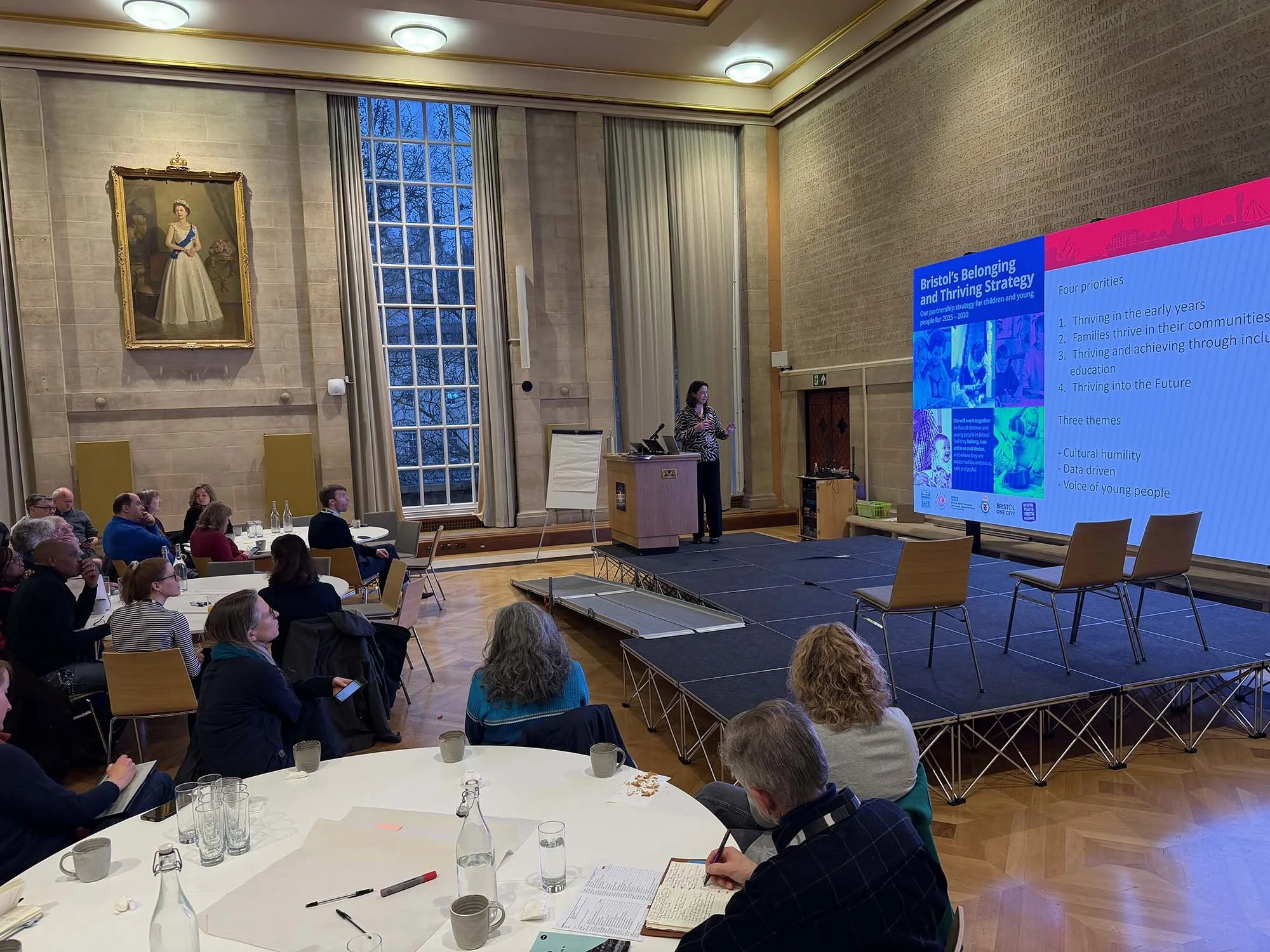
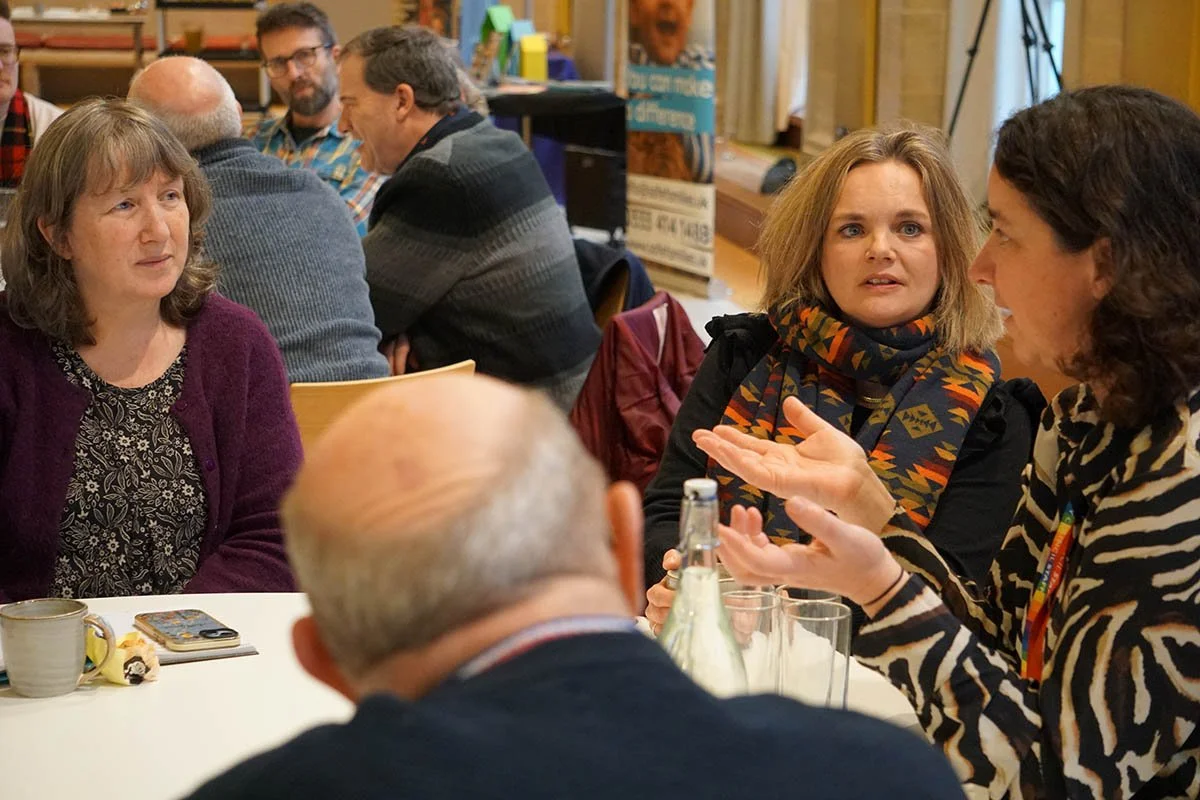
Bristol Church leaders gathered at Bristol City Council to discuss supporting Children & Families in the city
Across Bristol, churches are increasingly asking a shared question: how can we work together, and with others, to better support children and families in our communities?
That question recently brought churches from across the city together with Bristol City Council leaders and the Good Faith Partnership for a strategic workshop on church partnership with children and families.
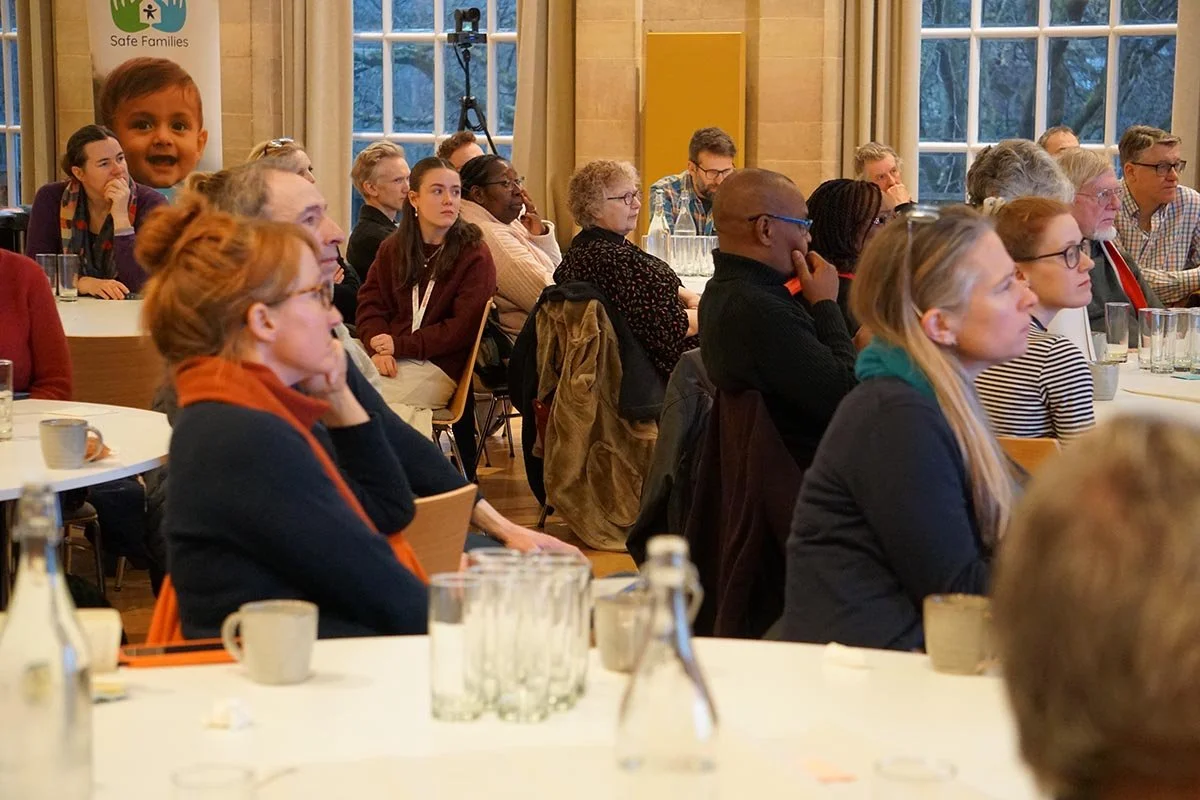
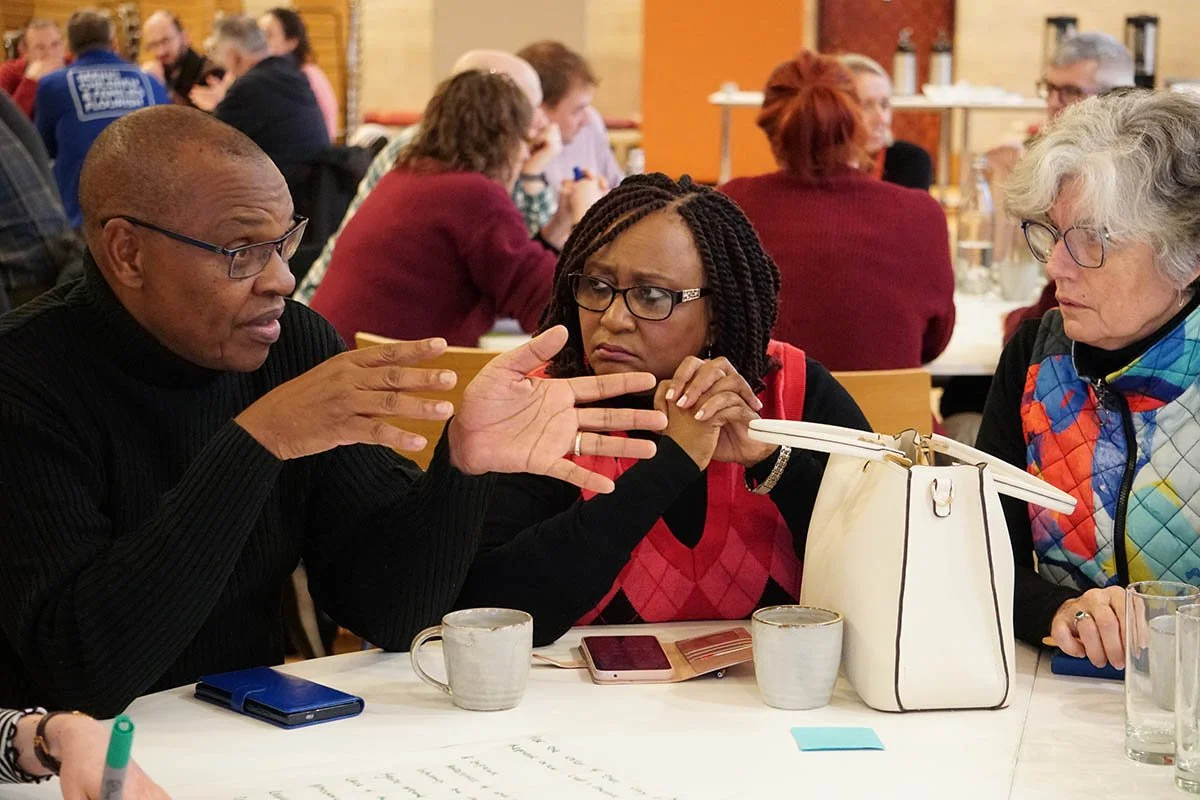
Churches from across the city, representing a wide range of wards, reflected on shared challenges, explored opportunities for collaboration, and considered how churches can act as dependable, long-term local partners alongside statutory and community services.
Why partnership matters
The challenges facing children and families in Bristol are significant and unevenly spread across the city. Data shared by Bristol City Council highlights that:
16 - 17 year olds are the largest age group entering care
10 - 15 year olds are the age group most frequently known to social services
Over a quarter of children entering care are placed outside Bristol due to a lack of local foster carers
These pressures are concentrated in particular wards, for example Avonmouth and Lawrence Weston, Hartcliffe and Withywood, and Lawrence Hill. Yet churches are present in every part of Bristol - including those experiencing the greatest levels of need. This places churches in a distinctive position: locally rooted, relational by nature, and committed for the long term.
Churches as dependable local partners
Many churches already support children and families through toddler groups, youth provision, warm spaces, food support and pastoral care. Often this work happens quietly - but its impact is significant. Churches offer something families and professionals consistently value: safe spaces, trusted relationships and continuity. These strengths make churches natural partners to schools, councils and community organisations seeking earlier, more relational support.
As Hannah Woodhouse, Executive Director of Children and Education at Bristol City Council, reflected: “It’s really exciting to have this opportunity to talk about partnerships in Bristol - working with the community, working with churches, working with faith groups, particularly in localities, to support children and young people from the earliest possible opportunity.”
Andy Street, Associate Director at Good Faith Partnership said: “It was very special to be able to bring together over 60 church and other leaders from across the city – south and north of the river and representing denominations of all kinds. There was clearly an openness to further explore and develop an even closer partnership between the church community and the Council in support of struggling families, children and young people.”
Key opportunities for churches across Bristol
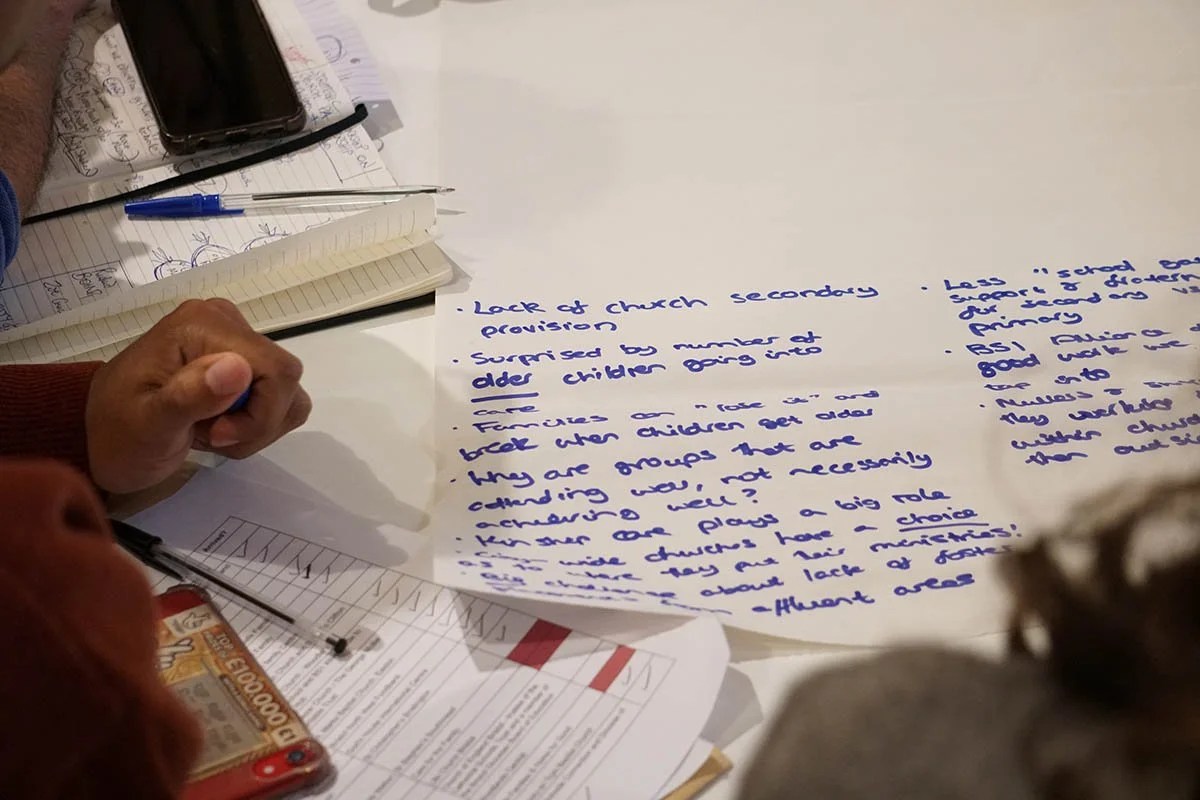
Through strategic discussion between churches, Bristol City Council representatives and faith-sector partners, several clear opportunities emerged:
Supporting teenagers well
Teenagers, particularly those of secondary school age, are especially vulnerable in Bristol. Churches have an opportunity to strengthen support for this age group by offering safe and welcoming spaces, providing educational support and mentoring, developing life-skills opportunities, and partnering with youth organisations and schools to reach young people beyond church settings.Building stronger relationships with schools
Many churches want to support local schools but find access difficult, especially with secondary schools. Better coordination and shared approaches can help schools understand the practical, non-proselytising support churches can offer.Growing foster care and supported lodgings
Bristol urgently needs more local foster carers and adopters, particularly in wealthier wards where the numbers coming forward are significantly lower. Churches are well placed to raise awareness, and help normalise fostering and supported lodgings within congregational life.Sharing resources more strategically
Some churches have people, others have funding, buildings or specialist skills. Working together enables resources to be matched more effectively with areas of greatest need and helps avoid duplication. The creation of hyperlocal working groups was floated as an idea to help do this.Sustaining those who serve
Volunteers, teachers, youth workers and pastors often experience burnout. Creating spaces for encouragement, learning and celebration is essential for long-term sustainability.Listening to lived experience
Church relationships can help surface the voices of families in Bristol’s most deprived communities, ensuring responses are shaped by lived reality rather than assumptions.
The challenges facing children and families in Bristol are real. But so is the opportunity: a city where churches are known as reliable, collaborative partners - showing up consistently, listening carefully, and working together for the long-term wellbeing of their communities.
If you’d like more information on the event or how you might be able to contribute, feel free to contact alisha.palmer@goodfaith.org.uk
You might also be interested in:
Becoming a Warm Welcome Church, offering consistent hospitality and safe space
https://www.christianactionbristol.org.uk/bristol-warm-welcome-networkLearning more about Bristol Family Hubs and how churches can connect locally
https://www.christianactionbristol.org.uk/news/bristolfamilyhubsGetting involved with the Family Sphere at Together 4 Bristol https://www.together4bristol.org.uk/Groups/345597/Family.aspx